Blog

Cockroaches Getting Comfy: How NOT To Become A Roach Hotel?

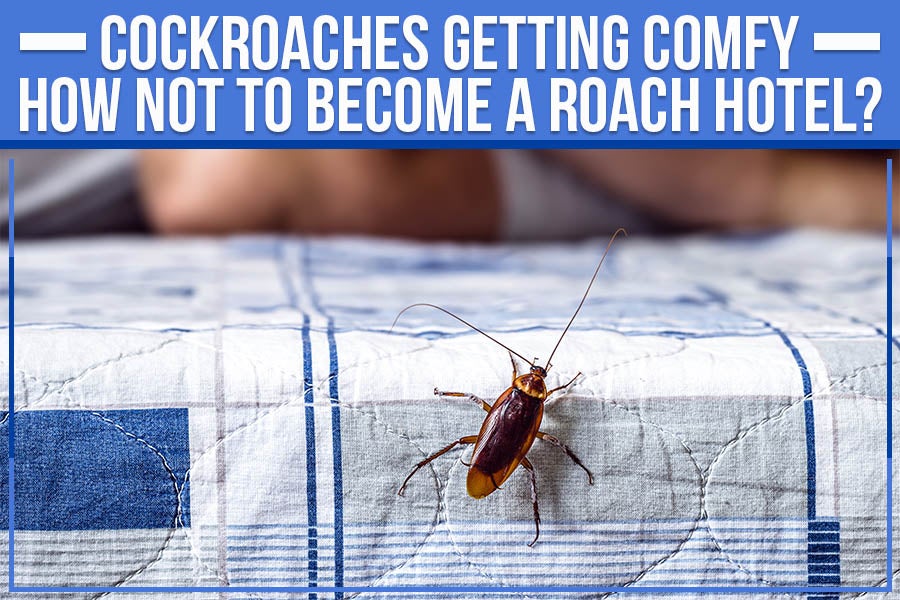
Facebook Twitter Email Share Key Takeaways – Cockroach infestations can ruin your place, leaving you with critters running around unhinged. Several factors might attract cockroaches to your place initially. Most of these factors are a result of habitual negligence at our end. Cockroaches also love the night, which is why you see them running around corners when the sun disappears. You can prevent cockroach infestation by ensuring clean and healthy living habits. Pest removal services like Classic Pest Control Operators, Inc. can help eliminate unwanted critters for you. Have you ever stepped into your house after a long day of work only to be welcomed by hordes of tiny, leaping roaches? No? Lucky you! But for the rest of us poor unfortunate souls, dealing with cockroaches is just a part of life. And while these pesky critters can undoubtedly be a nuisance, it’s important to remember that they can also be dangerous. So, before you let those little monsters take up residence in your home, read on for some tips on how to eliminate them for good. Factors that Lead to Cockroach Infestation But what are the things that attract cockroaches to your home in the first place? Keep reading to find out! 1. Dirty Dishes on the Countertop Let’s be honest; we’ve all been there. You come home from a tough day at work, and the last thing on your mind is washing dishes. So, you leave them out on the countertop overnight, telling yourself you’ll wash them in the morning. But surprise! When you wake up, cockroaches are crawling all over them! 2. Crumbs on the Floor, Counters, and Furniture Do you live in a frat house? Maybe you have roommates who are less than tidy. Or maybe you have young kids who are constantly making messes. Whatever the case, if there are crumbs on the floor, chances are there are also cockroaches not far behind. 3. Pet Food on the Floor Do you have a pet? If so, you’ll know that regardless of hard you try to keep their food off the floor, sometimes it’s inevitable. And when there’s food on the floor, cockroaches will always find a way to get to it. 4. Standing Water Spots Cockroaches love nothing more than a nice, cool drink of water. So if there are any standing water spots in your home – in your bathroom sink, around your toilet, or even in your kitchen – they will be attracted to it. Be sure to clean up any spills immediately and fix leaks immediately to prevent cockroaches from moving in. 5. Leftover Food in Containers or Cans We’ve all been there – you make dinner, but there’s too much food, so you put some away for later. But “later” never comes, and those leftovers sit in the fridge until they go bad. And when they do go bad, cockroaches will be drawn to the smell and make themselves right at home. So be sure to finish those leftovers before they go bad… or better yet, don’t make too much food in the first place! 6. Clutter Last but not least, cockroaches LOVE clutter. It gives them somewhere to hide during the day and plenty of places to build their nests at night. So, if your home’s full of clutter, chances are it’s also full of cockroaches… eek! Also, Read – Types of Diseases that Rodents Carry Why Are Cockroaches More Comfortable at Night? If you’ve ever had the misfortune of spotting a cockroach during the day, they seem to be just as clueless to see you as you are to spot them. But come nightfall, it’s a different story. Suddenly, these little critters are everywhere, and it can feel like your home is under siege. So, what gives? Why do cockroaches come out at night? There are a few reasons for this. For one thing, cockroaches are nocturnal creatures, so their natural inclination is to be more active when it’s dark out. Additionally, cockroaches are attracted to light, so if you have any lights on at night, they’ll be drawn to them like moths to a flame. But there’s another reason you’re more likely to see cockroaches at night, and it has to do with temperature. Cockroaches are cold-blooded creatures, which means they rely on external heat sources to regulate their body temperature. So, during the day, they’re more likely to hide in dark, cool places like cracks and crevices when it’s warm out. But at night, when the temperature drops, they’re more likely to venture out into the open in search of warmth. How to Prevent Cockroach Infestation in 4 Easy Steps Luckily, you can take a few simple steps to cockroach-proof your place and ensure these critters never become more than just a bad dream. Read on to find out how to prevent a cockroach infestation in 4 easy steps! Step One: Keep Your Place Clean Cockroaches are attracted to dirty places, so one way to prevent them from moving in is to keep your home clean. Vacuum regularly, sweep and mop your floors, and wipe down surfaces in your kitchen and bathroom. If you have live-in mates or live with family, ensure everyone is on board with your cleaning regimen. The last thing you want is your efforts to be undone by someone else’s messy habits. Step Two: Don’t Give Them Any Food Another way to prevent cockroaches from moving in is to ensure they don’t have any reason to stay. That means keeping your food sealed up tight and taking out the garbage regularly. Cockroaches are especially fond of starchy foods like pasta and rice, so be extra careful with these items. Investing in heavy-duty trash bags that seal any smells that might attract roaches might also be a good idea. Step Three: Get Rid of Those Hiding Places Cockroaches like dark, humid places where they can hide during the day. So if you want to prevent them from moving in, get rid of all those hiding spots! Repair any leaks in your plumbing so roaches can’t use them as a water source, and seal up any cracks or crevices around your home where they might be able to sneak inside. This will also help keep other pests like spiders and ants out of your home. Step Four: Call in reinforcements If all else fails and you find yourself dealing with a full-blown cockroach infestation, it might be time to call reinforcements. Plenty of pest control companies can help you get rid of roaches for good. And while it might seem like an expensive solution, it’s worth it compared to the alternative of sharing your home with these unwanted houseguests. Be sure to keep an eye out for cockroaches and take the necessary precautions to prevent an infestation in your home. If you think you already have a problem, don’t hesitate to give us a call. Classic Pest Control Operators, Inc. offers professional pest removal services in Fort Worth, so we can help you get rid of those pesky critters once and for all. And don’t worry, we’re very discreet – your neighbors won’t even know you have roaches! Please book an appointment with us today and say goodbye to your roach problems.

Why A Termite Inspection Matters When House Buying?

Facebook Twitter Email Share Key Takeaways – Home buyers often undermine the significance of a detailed inspection when purchasing a new home. A thorough home inspection often reveals a pest infestation that can hinder the shifting process. Getting professionals to detect termite presence and kick them out can ease the burden of shifting. Termites can eat into your home’s structure damaging the fixtures and fittings. A professional pest removal service can help deal with unwanted pest infestation. When most people think of buying a house, the cost is the first thing that comes to mind. It’s no secret that homebuying is inexpensive – and you can save money to make the process more affordable. One way to do this is by skipping the termite inspection. Right? WRONG. Skipping a termite inspection could cost you significantly in the long run, so it’s essential to understand why these inspections matter and what they entail. Keep reading to learn more! How Can Termites Damage a Home? Termites are tiny insects that live in colonies underground. These colonies can number in the millions and stretch for miles. Termites primarily feed on wood, but they will also consume paper, insulation, and even stucco. While most people think of termites as pests that are mere nuisances, the truth is that they can cause significant damage to your home if left unchecked. How Termite Damage Occurs Termites are often mistaken for ants but are more closely related to cockroaches. These pests are attracted to damp wood, which is why they are often found in basements and other humid home areas. Once they have infested an area, they eat away at the wood, tunneling through it and weakening its structure. This tunneling can cause severe damage to the home’s foundation, joists, beams, and floors. In extreme cases, an infestation can even collapse the roof. Signs of Termites A sure sign of termite infestation is the wings near doors and windowsills. Termites shed these wings as they swarm, searching for new places to build their nests. Other signs include holes in wood surfaces and a hollow tapping sound on infested wood. If you suspect your home may be infested with termites, you must immediately call a professional pest removal service. Also, Read – Types of Diseases that Rodents Carry We know, we know. A termite inspection sounds like a pain in the butt. But believe us when we say that it’s worth it. While most people think of termites as wood-eating pests, they eat any material that contains cellulose. This includes things like paper, cardboard, insulation, and even drywall. If there’s cellulose present, chances are good that termites will find it and start munching away. According to estimates, termites cause damage worth billions of dollars in homes annually. In some parts of the country, termite damage is so typical that homeowners insurance doesn’t even cover it. That’s why getting a termite inspection before buying a home is essential—it could save you from having to fork over thousands of dollars for repairs down the road. How Does a Termite Inspection Work? A termite inspection is pretty straightforward: A certified inspector comes to your potential new home and looks for signs of an infestation. This usually involves looking for things like mud tubes (termites build these tubes to travel between their nests and food sources), piles of wings (termites shed their wings when they mate), and hollowed-out wood (a sure sign that termites have been munching away). The inspector will also check the home’s exterior for any entry points that termites might use to get inside. Once the inspection is done, the inspector will provide you with a report outlining any areas of concern. Getting a Termite Inspection Before You Buy If you’re considering buying a home without getting a professional pest removal service, think again! The costs associated with repairing damage caused by termites can be astronomical—and most homeowners insurance policies won’t cover it. So, save yourself the headache (and the costs) and get a termite inspection before finalizing your purchase. Trust us; you’ll be glad you did! The Terrible Destruction Caused by Termite Infestations Termite infestations are no laughing matter. These pests cause billions of dollars in damage to homes and businesses every year. If you suspect that you have a termite problem, it’s essential to call a professional pest removal service before signing the dotted line for a home purchase. 1. Chewing Through Wood Termites are notorious for chewing through wood. This can include the structural beams in your home, the flooring, the walls, and even the furniture. In severe cases, termites can destroy a home or building. 2. Damage to Wiring Termites can also damage wiring, which can be a severe fire hazard. Termites are responsible for more than $5 billion in damage to electrical systems annually. 3. Contaminating Food If you have termites in your kitchen, they can contaminate your food. This is especially true if you have stored food in infested cabinets or pantries. Termites can also spread disease, so it’s essential to eliminate them immediately. 4. Weakened Structures Termites can weaken the structural integrity of your home or business, making it more likely to collapse in an earthquake or strong windstorm. This is one of the most dangerous effects of a termite infestation. Don’t let termites ruin your home or business! If you suspect that you have a termite problem, call a professional pest removal service right away. These experts will get rid of the problem quickly and efficiently, preventing further damage to your property. Getting the Most Important Termite Inspection Packaging up all your belongings, getting the movers scheduled, and forwarding your mail, the last thing you want to worry about is pests—especially termites. You’re about to make one of the most significant investments of your life – don’t let little critters ruin it! A home inspection from Classic Pest Control Operators, Inc will give you peace of mind as you enter this next chapter in Decatur. We’ll thoroughly examine the interior and exterior and provide a detailed pest removal action plan. So, before you sign on the dotted line, could you book an appointment with us?

Bug Bites In Paradise: Your Guide To Bed Bug Prevention!

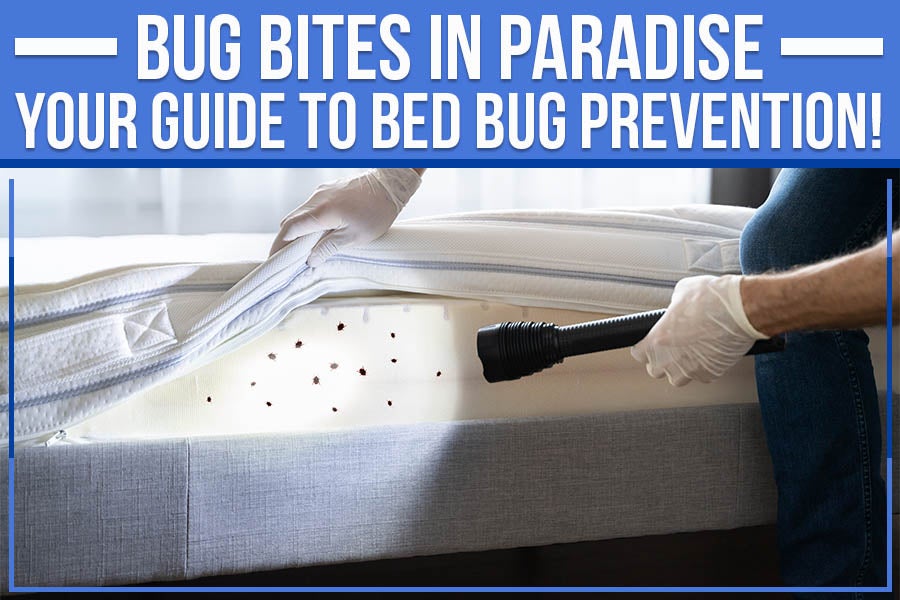
Facebook Twitter Email Share Key takeaways: Bed bugs typically leave a musty odor similar to wet towels. They like to feed on blood at night, so you might find blood stains on your sheets. Another calling card they like to leave would be their eggs. As they hatch and grow, juvenile beg bugs will leave shed exoskeletons. They will also start to feed, so you’ll find bites on your arms and legs. Your first steps to prevent bed bugs would be to identify the problem area, contain the pests, and then apply heat treatment. Don’t let the bedbugs bite! This old saying is especially true if you have some unwelcome guests over. Bed bug prevention starts with detection, and if you’re not paying attention, they might decide to settle down and stay awhile. This blog post will explore different signs of an infestation and outline the steps necessary to get rid of bed bugs. Don’t let those pesky critters ruin your sleep – follow our tips, and you’ll be able to lie back without any worries. Sign 1: Suspicious Scent This indicator isn’t the most reliable, as you’d have to be a specially trained bedbug-detecting canine to be able to smell them. However, it might be worth investigating if you think your room has a musty scent that wasn’t there before. Odors like wet towels, rotting wood, or sweet vanilla have all been associated with bedbugs. These will all stop with bed bug prevention, but if you catch the problem early enough, you might be rid of the smells before they get too bad. Sign 2: Blood Spots on Your Sheets You likely have bedbugs if you find small rust-colored spots on your bedsheets. The creepy critters feed on human blood and swell up after a meal. If you accidentally roll over and crush one of these bedbugs, it will release its blood onto your sheets. Blood spots are one of the most common signs of a bedbug infestation, so if you see them, it’s time to start taking steps to bed bug prevention. You might find areas on your skin still bleeding from bites, which will appear as tiny stains on your sheets. Sign 3: Eggs Over-and-Queasy As if bedbugs weren’t enough, you have to deal with their eggs! Bedbug eggs are small, white, and oval-shaped. They’re about the size of a poppy seed, so they’re not easy to spot. But if you’re looking for them, you might find them in the seams of your mattress or furniture or cracks in your walls. Eggs are one of the main reasons why it’s so challenging to get rid of bed bugs. That’s because it only takes a few weeks for an egg to hatch into a full-grown bedbug. And once they’re adult bedbugs, they can start reproducing and lay even more eggs. So, if you’re dealing with bedbugs, getting rid of their eggs and adult bugs is crucial. Sign 4: Horrifying Husks You’re far more likely to come across this indicator than an actual live bed bug. That’s because as a bedbug matures, it sheds its skin. You might find these empty shells in the same areas where you find bedbug feces or eggs. Yellowish, translucent casings are a telltale sign of bedbug nymphs. And with bedbug nymphs, there’s always the risk that they could hatch and start feeding on you. So, if you see these casings, investing in bed bug prevention is a good idea. Sign 5: Bed Bug Bites Besides the criminals themselves, an obvious sign of a bed bug infestation is the bites they leave on your skin. With bed bugs, you’re likely to wake up with itchy, red welts on your body. These welts are usually in a line or cluster and might get worse if you scratch them. Not all people experience discomfort after being bitten, and some might not even notice the bites. If you have bed bugs and don’t see any bites, it could be because they’re not yet mature enough to bite or because your body doesn’t react to their saliva the way most people do. If you suspect you have bed bugs, getting rid of them is vital before they can lay eggs and multiply. Keep reading for how to get rid of bed bugs and prevent them. Step 1: Identify the Problem Areas The first step in getting rid of bed bugs is identifying the areas where they live and hide. This can be difficult since bed bugs are experts at hiding. Possible areas to check include: Beds Sofas and chairs Carpets and rugs Curtains and drapes Clothes and luggage To better locate the bed bugs, you can use a flashlight to look for them in dark places. Bed bugs are usually brown or reddish-brown in color and about the size of an apple seed. Step 2: Contain the Criminals Your trusty vacuum cleaner can be a big help in bed bug prevention. Use it to vacuum up any bed bugs you find and their eggs. Pay special attention to the following areas: Beds Sofas and chairs Carpets and rugs Curtains and drapes Between the cracks of floors and walls Around baseboards Anywhere else you see bed bugs If you have a handheld vacuum, use it to get rid of bed bugs in hard-to-reach places. Just be sure to empty the vacuum bag immediately after each use to prevent the bed bugs from crawling back out. Step 3: Launder All of Your Clothes These include bed linens, curtains, blankets, clothing, and other items in which bed bugs could be hiding. Be sure to wash them in hot water and dry them at the hottest setting. If you can’t wash something, put it in the dryer on high heat for 30 minutes. You can also put infested clothes in a plastic bag and stick them in the freezer for a few days. This will kill the bed bugs but won’t get rid of their eggs. Or you could put the bags in a closed car on a hot day that reaches 95 degrees Fahrenheit. This procedure is a non-chemical heat treatment that can effectively kill bedbugs and their eggs. For more on DIY bed bug prevention, the EPA (Environmental Protection Agency) provides some great tips. Step 4: Call Us! Do-it-yourself methods can often control small infestations. But it’s best to bring in a professional if you’re struggling to get rid of bed bugs or have a large infestation. Our Classic Pest Control Operators, Inc. experts are highly trained in termite and pest control. We will exterminate bed bugs quickly, safely, and effectively. If you’d like to know more about infestations and their effects, check out our article on the effect of a termite infestation on our health. We’re proud to serve Paradise, TX, with bed bug removal and other pest control services. Book your appointment today!

Sealing Roaches Out: Effective Prevention Strategies

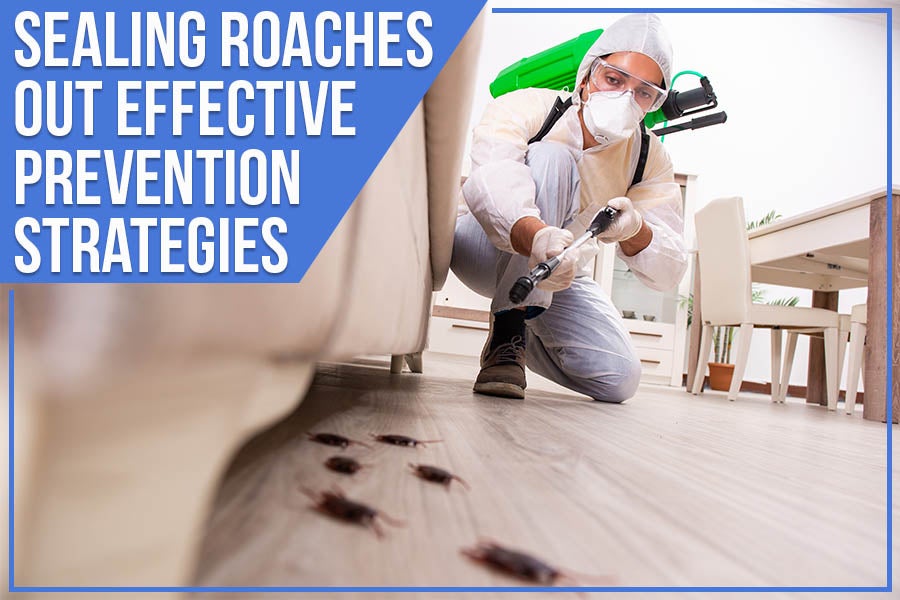
Facebook Twitter Email Share Key Takeaways: Roach control begins with preventive measures. Some strategies like cleaning, using caulk, and storing food in tight containers can help deter roaches. Homeowners should avoid do-it-yourself pest control methods. The best way to eliminate roaches is to call a professional exterminator. When most people think about cockroaches, the first thing that comes to mind is disgust. Images of these pests scurrying around in dirty environments quickly turn stomachs. What many people don’t realize, however, is that roach infestations can pose serious risks to both human health, as well as their properties. Cockroaches are known carriers of harmful bacteria and viruses, and they can damage furniture and other possessions. Cockroaches are known to be among the toughest pests on Earth. They can survive for up to a month without food and water and are notoriously difficult to exterminate. While many pesticides available on the market claim to get rid of cockroaches, these products often come with nasty side effects like skin irritations and respiratory problems. So, what should a homeowner do when they face an infestation? Luckily, folks can take several simple steps to control roaches and keep them out of their home for good. Read on for Classic Pest Control Operators, Inc.’s top tips for roach control! Roach Infestation: An Overview Imagine coming back to your abode after a long day at work only to find cockroaches running across your countertops! For many people, the mere thought of these pests is enough to send them running for the hills. Unfortunately, roach infestations are more frequent than you might think. Approximately 14 million out of the 124 million occupied homes in the United States reported catching roaches in their homes within the previous 12 months. These insects are attracted to homes and commercial properties that offer them easy access to food, water, and shelter. Once they’ve found their way inside, they can quickly reproduce and start an infestation. Roaches also carry harmful bacteria that can cause gastrointestinal illness in humans. Roach Infestation Prevention Roach control & prevention starts with understanding how they get into homes and businesses in the first place. Once you know what lures them in, you can take steps to keep them out. Here are the most recommended strategies for sealing roaches out of your property: 1. Keep Your Home or Office Clean. One of the main attractions for roaches is food. If you provide them with a consistent food source, they’ll keep coming back for more. That’s why it’s vital to practice good hygiene and clean up after yourself. Wipe down surfaces, sweep and mop the floors, and empty garbage cans regularly. It’s also helpful to store food in airtight containers and keep the counters free of crumbs. 2. Repair Cracks and Holes. Another way roaches enter buildings is through cracks and holes in the walls or foundation. They can squash through tiny spaces, so it’s important to seal up any openings you find. Use caulk & expanding foam to fill in gaps and repair any damaged screens or windows. 3. Keep Your Property Free of Clutter. Clutter provides hiding places for roaches and makes it harder to spot them when they’re on the move. To make your home less inviting for these pests, get rid of anything you don’t need and declutter regularly. This includes items like old boxes, newspapers, and clothing. 4. Reduce Moisture. Roaches are attracted to moisture, so keeping your home as dry as possible is important. Fix any leaks in your plumbing and roof, and use a dehumidifier to remove excess moisture from the air. You should also empty and clean sinks, tubs, and showers after each use. 5. Store Food Properly. If roaches can smell food, they’ll be more likely to invade your home in search of a meal. To keep them out, store all food in sealed containers and dispose of garbage regularly. Wipe down counters and floors after cooking, and vacuum regularly to remove crumbs and other food particles. 6. Use Roach Traps or Bait Stations. If you already have a roach control problem, traps and bait stations can help eliminate them. These products contain poison that attracts and kills roaches and is safe to use around children and pets. 7. Call a Professional Exterminator. If you’ve tried all the above methods and still see roaches, it’s time to call a professional exterminator. They will be able to identify the source of the infestation and provide treatments that will eliminate the problem for good. Also Read: Are Cockroaches Dangerous – And Other Roach FAQs Risks Of DIY Roach Extermination Well, we have given you all the basic information about roach control. But is it safe to do it all by yourself? Here are some risks of DIY roach extermination that you should be aware of: 1. You May Not Use the Right Products. There are so many products on the market that it can be hard to know which one to use. If you choose the wrong product, it may not work as well as you hoped, or worse – it could be dangerous to your health. 2. You May Not Use the Products Correctly. Even if you choose the right product, you still need to use it correctly for it to work properly. If you don’t follow the instructions, the product may not work as well, or it could be dangerous. 3. You Might End Up Making the Issue Worse. If you don’t use the products correctly or the wrong ones, you could make the roach problem worse. Not only will you not get rid of the roaches, but you could also end up with more roaches than you started! So, what’s the best way to roach control? The best way is to call a professional exterminator. They have the knowledge and experience to safely and effectively eliminate your roach problem. Roach Crisis In Weatherford, TX? We Can Help! Classic Pest Control Operators, Inc.’s certified and licensed exterminators in Weatherford, TX, can solve your roach problem quickly and efficiently. Our roach control services are not only eco-friendly and safe, but they’re also 100% effective in removal. Not to mention, there won’t be any harmful residues or odors left behind from the treatments. To top it off, we take extra precautionary measures by sealing entry points into your home and treating all potential hiding spots where roaches might take cover – that way: you’re protected against future infestations! Book an appointment today.

Types Of Diseases That Rodents Carry

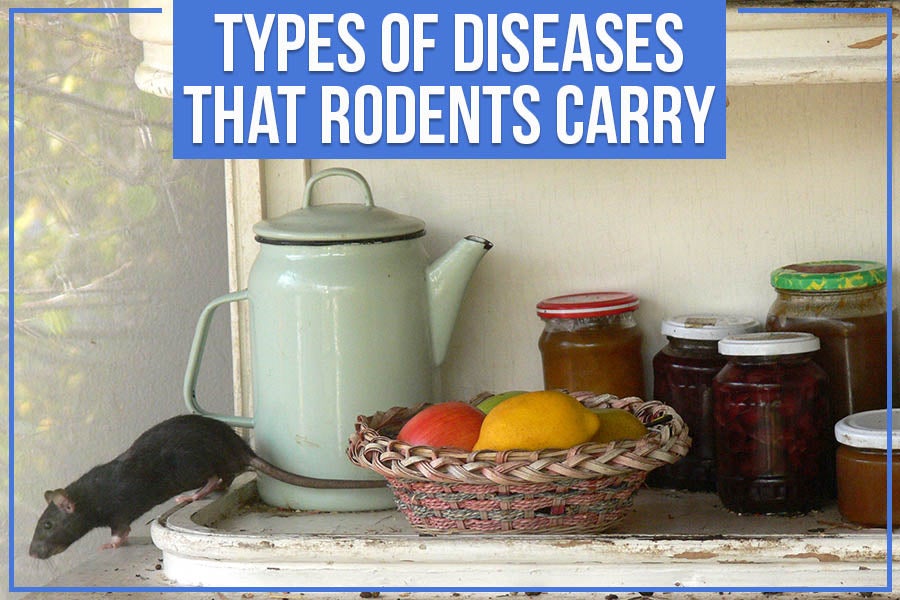
Facebook Twitter Email Share Key Takeaways: Lassa Fever is spread through contact with infected rodents, typically the multimammate mouse. Leptospirosis is a bacterial disease spread through contact with rodent-contaminated water or soil. Monkeypox is a viral disease spread through contact with infected monkeys or rodents. Lujo hemorrhagic fever is a viral disease spread through contact with infected rodents or their body fluids. The consequences of a rodent infestation can be very severe, and rodent control services can help prevent these infestations effectively. Various diseases come from rodents (mice, hamsters, guinea pigs, rats, and gerbils). These diseases include hantavirus, hemorrhagic fever with renal syndrome (HFRS), leptospirosis, and more. Three main ways these diseases can be transmitted are via rodent bites, contact with their urine or other bodily fluids, or inhalation of contaminated dust. Professional rodent control services can inspect and determine how rodents get into your home. They will also give recommendations on how to prevent future infestations. In addition, they will clean and disinfect areas where rodents have been active to reduce the risk of disease transmission. Let’s discuss the various diseases transmitted through rodents to give you a better idea about the necessity of rodent prevention. Diseases Spread Directly from Rodents Lassa Fever This disease is spread through contact with infected rodents, typically the multimammate mouse. Symptoms of Lassa fever include fever, headache, muscle pain, sore throat, chest pain, vomiting, diarrhea, facial swelling, and bleeding from the gums or nose. Hantavirus Pulmonary Syndrome (HPS) Hantavirus pulmonary syndrome (HPS) is a severe respiratory illness caused by exposure to contaminated food, water, as well as rodent urine, or droppings. The symptoms of HPS include fever and chills, muscle aches, headache, nausea, vomiting, abdominal pain, and diarrhea. In extreme cases, it can lead to respiration problems. Leptospirosis Leptospirosis is a bacterial disease spread through contact with contaminated water or soil. Symptoms include fever, headache, muscle pain, chills, and vomiting. In some cases, the disease can cause kidney failure and meningitis. Lymphocytic Choriomeningitis Virus (LCMV) LCMV is a virus spread through contact with infected rodents or their urine. Symptoms of LCMV include fever, headache, muscle aches, nausea, and vomiting. In extreme cases, the disease leads to brain damage and, in rarer cases, even death. Omsk Hemorrhagic Fever (OHF) OHF is a viral disease spread through contact with infected rodents or their urine. Symptoms of OHF include fever, headache, muscle aches, and vomiting. In extreme cases, the disease leads to bleeding from the eyes, nose, and gums. Rat-Bite Fever (RBF) RBF is a bacterial disease spread through contact with infected rodents or their bites. Symptoms of RBF include fever, headache, muscle aches, and vomiting. In severe cases, the disease can lead to kidney damage. Monkey Pox Monkeypox is a viral disease spread through contact with infected monkeys or rodents. Symptoms include fever, headache, muscle aches, and vomiting. In severe cases, the disease can lead to pneumonia. Salmonellosis Salmonellosis is spread through contact with infected rodents or their feces. Symptoms of salmonellosis include fever, diarrhea, and abdominal cramps. In severe cases, the disease can lead to dehydration. Lujo Hemorrhagic Fever Lujo hemorrhagic fever is a viral disease spread through contact with infected rodents or their body fluids. Symptoms include fever, headache, muscle aches, and vomiting, which can lead to organ failure. To prevent these, it’s necessary to contact professional rodent control services to safeguard the health and well-being of your loved ones. It’s also important to realize that rodent prevention methods performed by professional rodent control services include top-quality disinfectants and baits. Diseases That Spread Indirectly from Rodents Babesiosis Babesiosis is a malaria-like disease that is spread by ticks. Ticks become infected with the Babesiosis protozoan when they feed on the blood of an infected rodent. Humans can then be infected with Babesiosis through a tick bite. The most common symptom of Babesiosis is fever, but the disease can also lead to fatigue, headache, chills, and nausea. Lyme Disease Lyme disease is another tick-borne illness that rodents can indirectly transmit. It’s caused by bacteria that are present in some ticks. When an infected tick bites a human, the bacteria can enter the bloodstream and cause symptoms such as fever, headache, fatigue, and a distinctive skin rash called erythema migraines. Lyme disease may be treated using antibiotics, but if left untreated, it can lead to severe complications such as arthritis and problems with the nervous system. Tularemia Tularemia is a bacterial disease transmitted to humans through contact with infected animals, including rodents. It can also be transmitted indirectly by ticks and fleas that have bitten an infected animal. Symptoms of tularemia depend on how the infection was contracted but can include fever, chills, headache, muscle aches, and joint pain. In severe cases, tularemia can lead to pneumonia or inflammation of the heart. Tularemia can be treated with antibiotics, but prompt treatment is essential to prevent serious complications. White Nile Virus White Nile virus is a viral disease transmitted to humans through the bite of an infected mosquito. The virus is carried by several rodent species, including mice, rats, and squirrels. Symptoms of the White Nile virus include fever, headache, muscle pain, and fatigue. In extreme cases, this virus can cause encephalitis (inflammation of the brain) or meningitis (inflammation of the spinal cord and the lining of the brain). There is no specific treatment for White Nile virus, which can be fatal in some cases. Here are some DIY methods to keep mice out of your home. How Do Professional Rodent Control Services Perform Rodent Prevention? Professional rodent control services often remove food sources and nesting sites to prevent rodents from entering an area. They may also use bait, traps, and poisons to kill or capture rodents. In some cases, they may also provide vaccinations against diseases carried by rodents. Besides the traditional methods, professional rodent control services follow exceptionally high standards when carrying out their work. This is because the consequences of a rodent infestation can be very severe, and professional rodent control services have the experience and expertise to prevent and control these infestations effectively. Professional rodent control services abide by the cleanliness and chemical usage benchmark of the National Pest Management Association’s (NPMA) Best Management Practices for Rodent Control. It ensures that rodent control companies use the most effective and safest methods to prevent and control rodents. Classic Pest Control Operators, Inc. provides pest and rodent prevention services in Azle, TX. We ensure your home is free from these harmful unwanted guests so your loved ones can enjoy a healthy lifestyle. Do you have a rodent problem? Book an appointment today!

What We Need To Know About Termite Swarming Season

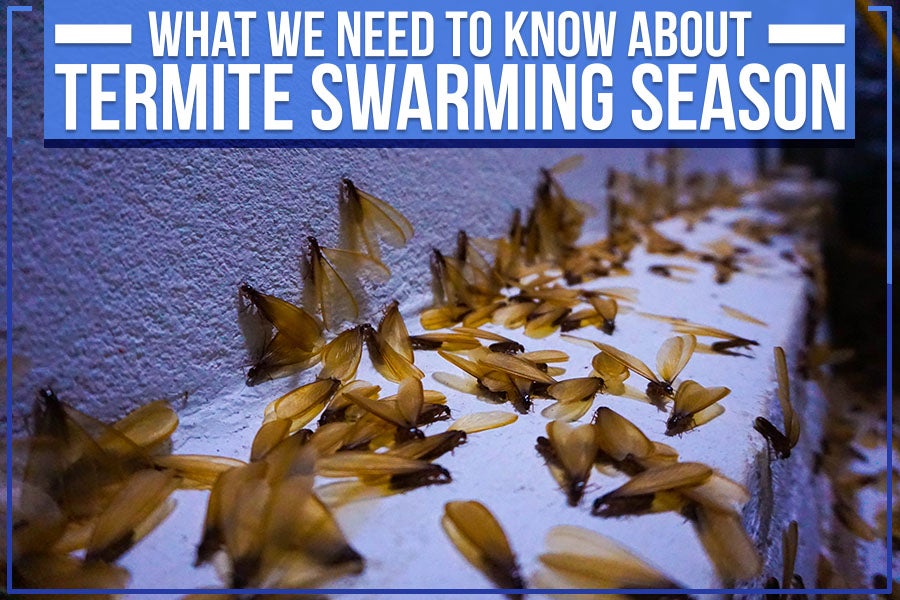
Facebook Twitter Email Share Key Takeaways: Termite swarms usually happen in the spring. It could be termites if you see a swarm of insects near your home. Termites are disastrous to your home if they’re not exterminated. You should call a pest control company to help get rid of termites. If you’re a homeowner, you’re probably well aware of the importance of termite prevention and treatment. They can cause severe damage to your home if left unchecked. But did you know there’s a specific time of year when termites are especially likely to swarm? That’s right – spring is when these pesky critters are most active, and it’s essential to be mindful of what to look for during this time. So, if you’re worried about termites or want to learn more about them, read! In this blog post, Classic Pest Control Operators, Inc. will discuss what you need to know about termite swarming season to protect your home from these pesky critters. What Are Termites? Termites are tiny, winged insects that reside in colonies underground. These colonies can number in the thousands and cause extensive damage to homes if left unchecked. Termites are accountable for $5 Billion worth of damage each year in the United States alone. That’s why it’s crucial to be aware of the signs of a termite infestation and take steps to avert them from taking over your home. Termite Swarms: What Are They? A termite swarm takes place when a group of winged termites leaves their nest, searching for a new place to build a colony. This usually occurs in the springtime, although it can also happen in the fall. Swarms typically only last a few hours, but thousands of termites can emerge from their nest. After a termite swarm, the winged termites shed their wings and pair up with another termite to start a new colony. Signs of a Termite Swarm There are a few crystal clear signs that you may have a termite swarm on your hands: Winged insects flying around your home or near your foundation Piles of wings left behind by the termites Small holes in wood surfaces near where you saw the swarm If you encounter any of these signs, you must immediately call a professional. A trained exterminator can determine whether you have a termite problem and devise a plan to eliminate the pests. How to Prevent Termites While you can’t prevent termites from swarming near your home, there are a few valuable things you can do to deter them from taking up residence: 1. Remove Any Wood That’s Touching Your Home Termites are attracted to wood, so they’re more likely to build their nests in homes with wood siding or decks. If you have any wood touching your home, remove it or keep it at least six inches away from the foundation. 2. Store Firewood & Lumber Away from Your House If you have a woodpile or lumber in your yard, ensure it’s at least 20 feet away from your house. Termites are attracted to the moisture in wood, so they’re more likely to nest in areas with a lot of wood. 3. Fix Any Leaks in Your Plumbing Termites are attracted to moisture, so they’re more likely to build their nests in homes with plumbing leaks. If you have any leaks, ensure you fix them as soon as possible. 4. Ventilate Your Crawl Space If you have a crawl space, make sure it’s well-ventilated. Termites are attracted to damp, dark places, so ventilating your crawl space will help keep them away. 5. Get Rid of Any Standing Water Standing water is a breeding ground for termites, so getting rid of any sources of standing water on your property is essential. This includes fixing leaky pipes or drains and ensuring no water pooling around your home. 6. Inspect Your Home Regularly The best way to avert termite damage is to inspect your home regularly for signs of an infestation. Call a pest control professional immediately if you see swarmers or mud tubes. Some Myths About Termite Swarm Debunked. In this section, we’ll debunk some of the most common myths about termite swarms: 1. Myth: If You See a Swarm of Termites, Your Home Is Automatically Infested and Will Be Destroyed. This is false. Just because you see a few termites flying outside doesn’t mean your whole house will be destroyed. Most homes severely damaged by termites have had an infestation for years without the owners realizing it. 2. Myth: All Swarming Termites Are Male. Both genders swarm. The only difference is that the males have wings and the females don’t. Both sexes are capable of causing damage to your home, so don’t think you’re in the clear just because you see a few wingless termites scuttling around. 3. Myth: Once the Swarms Mate, They Die Nope! If anything, they’re just getting started. After mating, the female swarmer will shed her wings and find a place to create a new colony. The male swarmer will do the same, although he may mate with multiple females before settling down. 4. Myth: Swarming Termites Only Swarm During the Day Swarming termites are more likely to swarm at night. However, it’s not unheard of for them to swarm during the day, especially if the temperature is just right. If you see a cloud of flying ants near your home, there’s a good chance it’s a swarm of termites looking for a new place to set up shop. 5. Myth: Swarming Occurs Any Time of The Year Wrong! In the southern United States, swarming generally occurs from February through May. However, it can happen any time from late January to early June. If you live in a more northern climate, you may see termites swarm as early as December and as late as April. Also read, Whether Termites Can Make You Sick or Not. Here’s How Classic Pest Control Operators, Inc. Can Help You! Classic Pest Control Operators, Inc. serving Weatherford, TX, and the surrounding areas, is a family-owned and operated business providing effective pest control solutions for over three generations. We are experts in all things pests, including termites. Our experienced technicians will inspect your home or business and develop a customized treatment plan to eliminate your termite problem. We also offer preventative treatments to keep termites away from your property in the first place. Give us a call today or book an appointment. We look forward to serving you!

Are Cockroaches Dangerous – And Other Roach FAQs!

Facebook Twitter Email Share Key Takeaways: Cockroaches can carry diseases and bacteria on their bodies that can infect human beings. They can also trigger asthma attacks and allergies. Cockroaches are most commonly found in homes that are not clean or well-maintained. You can do a few things to prevent cockroaches from entering your home: keep your home clean, repair cracks and holes, store food in sealed containers, and eliminate moisture sources. Pest control services may also be necessary for dealing with roaches. Classic Pest Control Operators, Inc. offers pest control services to customers in Azle, TX, and the surrounding areas. Cockroaches are arguably the most despised creatures on the planet. They’re dirty, they’re creepy, and they can carry diseases. They can be found in homes, commercial buildings, and even hospitals. While many people think that cockroaches are simply a nuisance, there is a lot of danger associated with these pests. They are found in urban and rural environments and can survive in various climates. But are cockroaches dangerous? What kind of diseases do they carry? While cockroaches are not typically known to carry diseases, they can cause other problems for humans. What can you do if you find one in your home? In this post, Classic Pest Control Operators, Inc. will answer some frequently asked questions about the dangers of cockroaches. Historical Perspective Cockroaches are one of the oldest living species in the world. They’ve been around for millions of years, and they’re not going anywhere anytime soon. Being scavengers, cockroaches eat just about anything. They’re attracted to dirty environments and are often found in homes that are unclean. Cockroaches can also be found in restaurants, hospitals, and other commercial buildings. Are Cockroaches Dangerous? Do cockroaches pose a danger to us? It depends on the context of the question. From a public health standpoint, yes – they are considered a pest and can spread disease. From an ecological view, cockroaches play a vital role in the ecosystem. And from a personal standpoint, it depends on whether or not you’re allergic to them. Also, read our blog on the benefits of pest infestation to learn how cockroaches and other creeps can help the environment. Cockroaches are dangerous because they can carry diseases. They can also trigger allergies and asthma attacks in people who are sensitive to them. Cockroaches carry a protein that is an allergen, which can cause allergic reactions in some people. If you have asthma, cockroaches can trigger an attack by leaving their droppings in your home. They can also spread bacteria and have been linked to outbreaks of foodborne illnesses. In addition, these insects can contaminate food with their saliva and feces and shed skin. If you think you may be facing a cockroach infestation, the best thing to do is contact a pest control professional. They will assess the situation and recommend the best course of action. Cockroach infestations can be challenging to deal with, so getting help from a professional is crucial if you think you have one. FAQS About Cockroaches Cockroaches are one of the most feared creatures on earth – but are they as dangerous as people think? Let’s find answers to some of the top FAQs about cockroaches and the dangers they pose. 1. What Are Cockroaches? Roaches are insects of the order Blattodea with around 30,000 species worldwide. The most common cockroach in the US is the German cockroach, which is about ½ an inch to ⅝ of an inch long. These creatures are dark brown or black in color and have long, antennae-like appendages. 2. How Dangerous Can Cockroaches be? Roaches play a vital role in the ecosystem; however, they do have the potential to be dangerous. They can spread diseases and contaminate food. If you have a cockroach infestation, it’s best to call a pest control service to get rid of them. 3. What Are Some of the Diseases that Cockroaches Can Spread? According to the United States Environmental Protection Agency (EPA), Cockroaches can transmit diseases like Salmonella enteritidis, Staphylococcus aureus, and E. Coli O157:H57. These diseases can cause food poisoning, diarrhea, and other serious health problems. 4. Can Cockroaches Cause Asthma? Yes, they can cause asthma. Cockroach allergens are a common trigger for asthmatic reactions in children. You must talk to your doctor if you think your child may be allergic to roaches. 5. What Should I Do If I See a Cockroach in My Home? Don’t panic when you see a cockroach in your home! If you find many, the best thing is to call a pest control service. They can identify the type of cockroach and recommend the best course of action. 6. Are There Any Natural Ways To Get Rid Of Cockroaches? Yes, there are some natural ways to get rid of cockroaches. You can try using diatomaceous earth, boric acid, or citrus oil. These remedies are safe for humans and pets but may not be as effective as professional pest control. Tips for Preventing Cockroach Infestations There are a few things you can do to prevent cockroaches from entering your property: Keep your home or office clean and free of food debris. Repair any cracks or holes in your walls or floors. Store food in sealed containers. Eliminate moisture sources, such as leaks or standing water. If you are already facing a cockroach problem, you must call a pest control service to get rid of them. These insects can bite, and their feces can contain harmful bacteria. A professional can safely and effectively eliminate them from your home. Need Pest Control Services in Azle, TX? No Problem! Here at Classic Pest Control Operators, Inc., serving Azle, TX, we are dedicated to ensuring that our community is pest-free. Our team of experts is licensed and has undergone extensive training to provide you with the best possible service while minimizing environmental impact. We provide excellent customer care and always look for ways to improve. Our services are backed by a warranty, so you can be confident when you choose us. If you’re experiencing a pest issue, don’t hesitate to book an appointment with us today. We’ll take care of everything so you can enjoy your peace of mind again.

Woolly Bears – Getting Rid Of The Creepy Crawlies Chewing Up Your Carpet

Post author: admin Post published:August 29, 2022 Post category: Classic Pest Control Operators Blog Facebook Twitter Email Share A lot stays unseen to the eyes, and that’s especially true when it comes to pests. Now and then, homeowners fail to realize they have a problem until it’s too late. Carpet beetles are one such pest. Often mistaken for bedbugs, these tiny insects can cause much damage to your home – and they’re particularly fond of carpeting and clothing. If you suspect the tiny woolly bears may be gnawing their way through your home, it’s time to look for some signs. Classic Pest Control Operators, Inc. will tell you what to look for and how to get rid of them. What do carpet beetles look like? Carpet beetles are small, round, and usually black or brown. Some may have patterns on their backs, making them look even more like bedbugs. They’re about a centimeter long and have six legs. Their larvae, or woolly bears, are what cause the most damage. These little guys are fuzzy and can range in color from cream to brown to black. Woolly bears are carpet beetles in their larval stage, and they’re the ones that do the most damage to your carpets and clothing. They can chew through natural fibers like wool, silk, and cotton and love to munch on the carpet, furniture, and even clothing. Signs of Woolly Bear Infestation Holes In Your Clothing If you notice holes in your clothing, woolly bears likely are to blame. These little pests love to munch on natural fibers, so they’ll make short work of your clothes if given a chance. An excellent way to notice if it’s these bugs and not moths is to look for a distinctive hole pattern. Moths tend to create a small holes with frayed edges, while carpet beetles will leave a more prominent, ragged hole behind. Shredding Of Your Carpet They’re called “carpet beetles,” so it shouldn’t be surprising that they love nibbling on carpets. If you see your carpet looking a bit threadbare in spots, it’s time to do a woolly bear check. These bugs will often lay their eggs in carpeting, so getting rid of them as soon as possible is key to keeping your carpet in good shape. Presence Of Adult Beetles To mention what we said earlier, the adults don’t eat fabric – they just lay eggs so their offspring can have a feast. However, seeing an adult carpet beetle in your home is a good indicator that there are plenty of larvae around as well. Ending Note: If you think you might have a carpet beetle infestation, it’s essential to act fast. These pests can quickly destroy your home’s carpets, clothing, and other fabric. If you’re unsure about how to do away with them, contact a professional pest control company for help. Pest Control Company in Springtown, TX Classic Pest Control Operators, Inc., serving Springtown, TX, is your go-to company for woolly bear and carpet beetle removal. Our team of experienced and sound professionals will inspect your home, identify the pests, and develop a pest control plan to get rid of them. Contact us today to schedule a consultation.

I Have Bed Bugs, Now What? Let’s Explore Some Remedies!

Post author: admin Post published:August 16, 2022 Post category: Classic Pest Control Operators Blog Facebook Twitter Email Share So, you have discovered a bed buginfestation. Suddenly, the worry and stress of where they came from and how to get rid of them sets in. But we are here to tell you that there are plenty of remedies to get rid of bed bugs safely and effectively. You don’t have to suffer through the infestation alone. This guide will explore a few popular methods and some natural home remedies that could help rid these pesky critters for good. Keep reading to learn more! 1. Vacuum Regularly The vacuum sucks up any bugs or eggs lurking in your mattress or furniture. Don’t miss any cracks & crevices in your furniture or other areas where bed bugs might be hiding. 2. Steam Clean Your Bedding and Furniture This is another excellent way to control bed bugs and their eggs. The steam will penetrate all the cracks and crevices in your furniture and bedding, killing any bugs hiding there. High temperature is one of the few things that can kill bed bugs. 3. Use A Quality Encasement for Your Mattress and Box Spring A good encasement prevents any bed bugs in your mattress or box spring from getting out and prevents any new ones from getting in. Be sure to get an encasement designed explicitly for bed bugs, as some encasements are ineffective against them. 4. Use Insecticide Insecticides can be effective against bedbugs, but you should use them cautiously. Some insecticides can be harmful to humans if misused. Be sure to read the instructions carefully and follow them precisely before using any insecticide. One of the most effective insecticides against bedbugs is pyrethrin, derived from chrysanthemum flowers. You can find pyrethrin-based insecticides at most hardware and home improvement stores. 5. Use Home Remedies Apply a mixture of borax and diatomaceous earth around the perimeter of your room to keep bedbugs from entering. This mixture kills the bed bugs in your home. Fill a spray bottle with equal parts water & white vinegar. Spray liberally on any areas you suspect bedbugs are hiding. The acid in the vinegar kills them on contact. Make a trap by setting out a bowl of soapy water. Bedbugs are attracted to the smell of human skin, so they’ll crawl into the bowl and drown. Mix 1 part cornstarch and 1 part baking soda. Sprinkle the mixture around the perimeter of your bed. The bugs will crawl into it and become dehydrated, eventually dying. We know how much of a nightmare it can be to deal with a bedbug infestation. You’re constantly worried about them crawling on you while you sleep, and the bites can be incredibly itchy. But don’t worry, we’re here to help. At Classic Pest Control Operators, Inc., we offer effective bed bug treatment services that will help you get rid of your bedbug infestation for good. We understand how frustrating and stressful it can be to deal with these pests! So, contact us in Boyd, TX, today! We’ll be happy to help you get rid of those pesky pests once and for all. Book an appointment now!

Can Termites Make You Sick? Let’s Find Out

Post author: admin Post published:August 3, 2022 Post category: Classic Pest Control Operators Blog Facebook Twitter Email Share There’s no mistaking the signs of termites. If you have an infestation, you’ll see small, mud-colored insects swarming around your home. You may also find their damage (small holes in your walls or furniture.) But did you know that these little critters can also make you sick? Yes, a termite infestation can cause health problems ranging from minor allergies to serious respiratory infections. Even if you don’t have an infestation, it’s important to be aware of the risk termites pose to your health. Discover how these little pests can make you sick and why it is essential to call upon a termite exterminator if you find you have an infestation on your property. How Can Termites Make You Sick? Termites are small but mighty, and their ravenous appetite for wood can quickly lead to structural damage in your home. Let’s discover some of the ways they can make you sick! Bacteria From the Wood Termites casually munch on any type of wood, including the wood in your house. This can be a problem for obvious reasons. These creatures leave behind a trail of droppings that can contain harmful bacteria from the wood. If you breathe in these bacteria, you could end up with a respiratory infection or some other type of illness. In addition, termites can also trigger allergies and asthma attacks in people who are sensitive to them. Methane Gas Termites emit gas as they eat wood. This gas is called methane, and it’s been linked to several health problems like headaches, dizziness, and nausea. And it’s not just the people who live in homes with termites at risk – anyone who spends time around these pests is vulnerable to methane poisoning. So, if you think your house needs termite treatment, call a termite exterminator fast! Different Health Issues Due to the Presence of Termites Allergic Reactions Some people are allergic to termites or their droppings. These allergies can cause various symptoms, from mild discomfort to potentially life-threatening anaphylaxis. If you’re allergic to termites, it’s important to avoid exposure to them as much as possible. Respiratory Problems Exposure to termites or their droppings can cause respiratory problems in people of all ages. Symptoms of respiratory problems can include difficulty breathing, wheezing, and coughing. Gastrointestinal Problems Gastrointestinal problems due to termites include nausea, vomiting, and diarrhea. Asthma Attacks They can also trigger an asthma attack. This can be extremely dangerous, so it’s important to seek medical help if you experience any symptoms of an asthma attack. There are several good reasons to get rid of termites if you find them in your home. Don’t take chances with your health – call a termite exterminator today. And if you’re having a hard time finding a termite exterminator in Texas, Classic Pest Control Operators, Inc., serving Lake Worth, TX, is here to help! We provide a 2-year warranty, which is transferable to new owners when the structure is sold. Our termite treatment program starts at $195.00 plus tax, and we offer a free inspection with every service. Book your appointment now!

Appreciate The Little Fellas – 6 Pests That Actually Help You Out!

Post author: admin Post published:July 26, 2022 Post category: Classic Pest Control Operators Blog Facebook Twitter Email Share No one likes the idea of swarming pests taking over your house. But little did we know that these tiny creatures can also come to our aid with some beneficial qualities. At Classic Pest Control Operators, Inc., we have researched and want to let you in on six pests helping you out! 1. Ladybugs Ladybugs don’t look harmful until they decide to invade your home in the fall and winter. But these little ladies can be helpful in more ways than you can imagine. Ladybugs are great for agriculture as they help to pollinate and are a natural enemy of aphids and other tiny pests that can damage your crops. 2. Spiders The idea of spider nests is scary, and they might give you the heebie-jeebies. But, believe it or not, these arachnids are also great at taking care of other pests in your home. Spiders feast on mosquitoes, flies, and moths – all problems that can be a nuisance in your home. So next time you see a spider crawling up the wall, think twice before squishing it! 3. Mosquitos As annoying as these insects can be, the benefits of mosquitos are surprising. Mosquitos are a food source for many different animals such as bats, fish, birds, and frogs. They also help to pollinate flowers and other plants. 4. Mantis A huge mantis sitting on your shelve can scare the living daylights out of you. But did you know that these creepy insects are beneficial? Mantis is another beneficial pest that can help to keep your garden free of pests. 5. Cockroach You may not have expected this one! Whether you loath them or not, a cockroach infestation is usually a sign of a healthy ecosystem. Roaches are scavengers and will help to clean up any organic matter that is left behind. So, even though they might not be the most cuddly creatures, a cockroach infestation can help you. 6. Bees The idea of a bee sting makes us all dread the presence of a bee hive on our lawns. However, unlike a cockroach infestation, a bee hive can be easier to rid of, but you may not want to do it. Bees help to pollinate flowers and crops, which helps to produce food for us. Without bees, we would have a lot less food to eat! Conclusion: Everything has pros and cons, whether it’s a bee hive, a cockroach infestation, or spiders taking over. Where these beneficial pests have their good side, they also pose multiple threats to your health. For example, regardless of the many benefits of mosquitos, it is still the deadliest killer in the world and the vector for diseases such as malaria, yellow fever, and the West Nile virus. If you think your cockroach or mosquito infestation is getting out of hand, it’s time to hire a professional pest controlling company in Fort Worth, TX. Classic Pest Control Operators, Inc., serving Fort Worth, TX, can be the ultimate solution to your bug problem. Our experienced and certified technicians can rid your home with top-quality roach control and pest control services. Book an appointment now!

To Rid Of A Rodent – 6 Steps To Make Your Home Mouse-Proof!

Post author: admin Post published:July 18, 2022 Post category: Classic Pest Control Operators Blog Facebook Twitter Email Share Contrary to the cuteness that lab mice might evoke in most of us – they can be one heck of a pest if you consider the wilder cousins. And mind you, no one likes sharing their abode with pests, no matter how adorable they seem. Mice are among the most typical household pests. As such, a rodent infestation stemming from them can be extremely difficult to eliminate, especially when they’ve taken up residence in the very drywalls of your home with their germs & rabid infections. If you’re dealing with a mouse infestation or simply want to prevent mice from taking over your home, you can do a few things to make your home mouse-proof. Step 1: Identify the Source Your first instinct in dealing with a mouse infestation may be to set traps and lay down poison. Still, before you do that, it’s important to figure out how the mice are getting into your home. Try looking for cracks or holes in your home’s foundation, as mice can easily squeeze through tiny spaces. Step 2: Identify the Attractant Now that you know how they’re getting in, you need to figure out what’s attracting them in the first place. Food is the primary attractant for mice, so if you have food left out or not properly stored, that may be what’s attracting them. They’re also attracted to warmth and shelter, so if your home is drafty or has gaps in the walls or foundation, that may be another attraction. Step 3: Remove the Attractant Once you’ve identified the attractant, you need to remove it. If it’s food, make sure all food is properly stored in airtight containers. If it’s shelter, seal up any gaps in the walls or foundation with padding, insulation, or caulk. Step 4: Block All the Entry Points Start by sealing up any openings that mice could use to get into your home. Look for cracks in the foundation, gaps around doors and windows, and any other small openings that mice could squeeze through. Caulk or steel wool are good sources to seal up these openings, and be sure to check regularly. Step 5: Seal Food Containers and Bins One way to make your home mouse-proof is to store all food properly. Mice can squeeze into small spaces, so it’s essential to use airtight containers for all your dry goods. Store cereals, pasta, flour, and other dry goods in resealable bags or plastic containers with tight-fitting lids. Clean up immediately in case of spills, and don’t leave crumbs or food scraps. Sweep and mop your floors regularly, and vacuum carpets and upholstered furniture to remove any mouse-attracting debris. Step 6: Keep Your Home Clean A clean home is a less alluring target for mice looking for a place to nest. In addition to sweeping and mopping your floors regularly, vacuum carpets and upholstered furniture to remove any mouse-attracting debris like food scraps & other organic detritus. Conclusion: If you’re dealing with rodent infestation and nothing seems to be working, it’s time to call in the professionals. Classic Pest Control Operators, Inc., serving Decatur, TX, is your best bet to eliminate a myriad of pesty issues. We will thoroughly inspect your property and devise a rodent control treatment that ensures these mice never come back. Book your appointment today!

Contact Us

Fill out this form below and we'll contact you shortly

How would you like us to contact you?