Blog

Bug Bites In Paradise: Your Guide To Bed Bug Prevention!

FacebookTwitterEmailShare

Key takeaways:

  • Bed bugs typically leave a musty odor similar to wet towels.
  • They like to feed on blood at night, so you might find blood stains on your sheets.
  • Another calling card they like to leave would be their eggs.
  • As they hatch and grow, juvenile beg bugs will leave shed exoskeletons.
  • They will also start to feed, so you’ll find bites on your arms and legs.
  • Your first steps to prevent bed bugs would be to identify the problem area, contain the pests, and then apply heat treatment.

Don’t let the bedbugs bite! This old saying is especially true if you have some unwelcome guests over. Bed bug prevention starts with detection, and if you’re not paying attention, they might decide to settle down and stay awhile.

This blog post will explore different signs of an infestation and outline the steps necessary to get rid of bed bugs. Don’t let those pesky critters ruin your sleep – follow our tips, and you’ll be able to lie back without any worries.

Sign 1: Suspicious Scent

This indicator isn’t the most reliable, as you’d have to be a specially trained bedbug-detecting canine to be able to smell them. However, it might be worth investigating if you think your room has a musty scent that wasn’t there before.

Odors like wet towels, rotting wood, or sweet vanilla have all been associated with bedbugs. These will all stop with bed bug prevention, but if you catch the problem early enough, you might be rid of the smells before they get too bad.

Sign 2: Blood Spots on Your Sheets

You likely have bedbugs if you find small rust-colored spots on your bedsheets. The creepy critters feed on human blood and swell up after a meal. If you accidentally roll over and crush one of these bedbugs, it will release its blood onto your sheets.

Blood spots are one of the most common signs of a bedbug infestation, so if you see them, it’s time to start taking steps to bed bug prevention. You might find areas on your skin still bleeding from bites, which will appear as tiny stains on your sheets.

Sign 3: Eggs Over-and-Queasy

As if bedbugs weren’t enough, you have to deal with their eggs! Bedbug eggs are small, white, and oval-shaped. They’re about the size of a poppy seed, so they’re not easy to spot. But if you’re looking for them, you might find them in the seams of your mattress or furniture or cracks in your walls.

Eggs are one of the main reasons why it’s so challenging to get rid of bed bugs. That’s because it only takes a few weeks for an egg to hatch into a full-grown bedbug. And once they’re adult bedbugs, they can start reproducing and lay even more eggs. So, if you’re dealing with bedbugs, getting rid of their eggs and adult bugs is crucial.

Sign 4: Horrifying Husks

You’re far more likely to come across this indicator than an actual live bed bug. That’s because as a bedbug matures, it sheds its skin. You might find these empty shells in the same areas where you find bedbug feces or eggs.

Yellowish, translucent casings are a telltale sign of bedbug nymphs. And with bedbug nymphs, there’s always the risk that they could hatch and start feeding on you. So, if you see these casings, investing in bed bug prevention is a good idea.

Sign 5: Bed Bug Bites

Besides the criminals themselves, an obvious sign of a bed bug infestation is the bites they leave on your skin. With bed bugs, you’re likely to wake up with itchy, red welts on your body. These welts are usually in a line or cluster and might get worse if you scratch them.

Not all people experience discomfort after being bitten, and some might not even notice the bites. If you have bed bugs and don’t see any bites, it could be because they’re not yet mature enough to bite or because your body doesn’t react to their saliva the way most people do.

If you suspect you have bed bugs, getting rid of them is vital before they can lay eggs and multiply. Keep reading for how to get rid of bed bugs and prevent them.

Step 1: Identify the Problem Areas

The first step in getting rid of bed bugs is identifying the areas where they live and hide. This can be difficult since bed bugs are experts at hiding. Possible areas to check include:

  • Beds
  • Sofas and chairs
  • Carpets and rugs
  • Curtains and drapes
  • Clothes and luggage

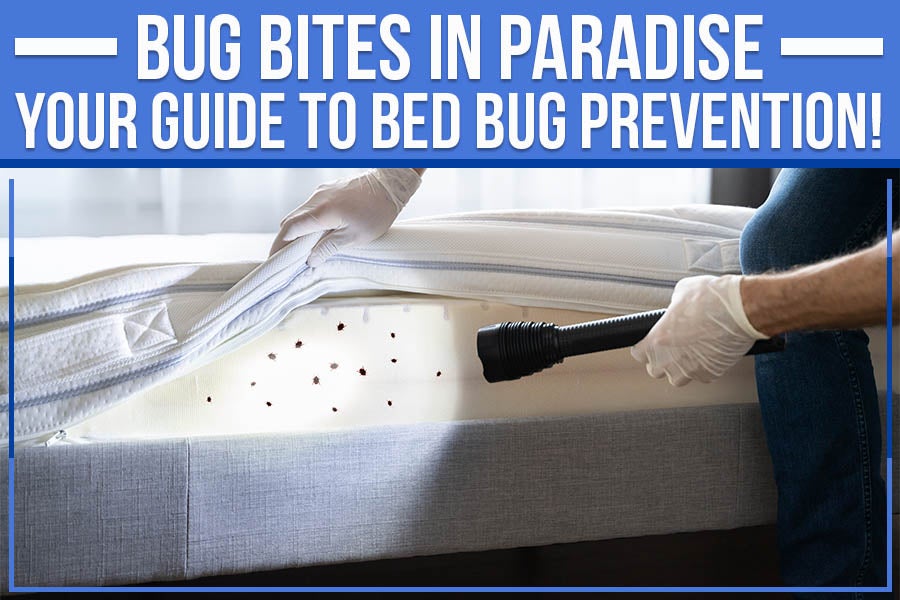
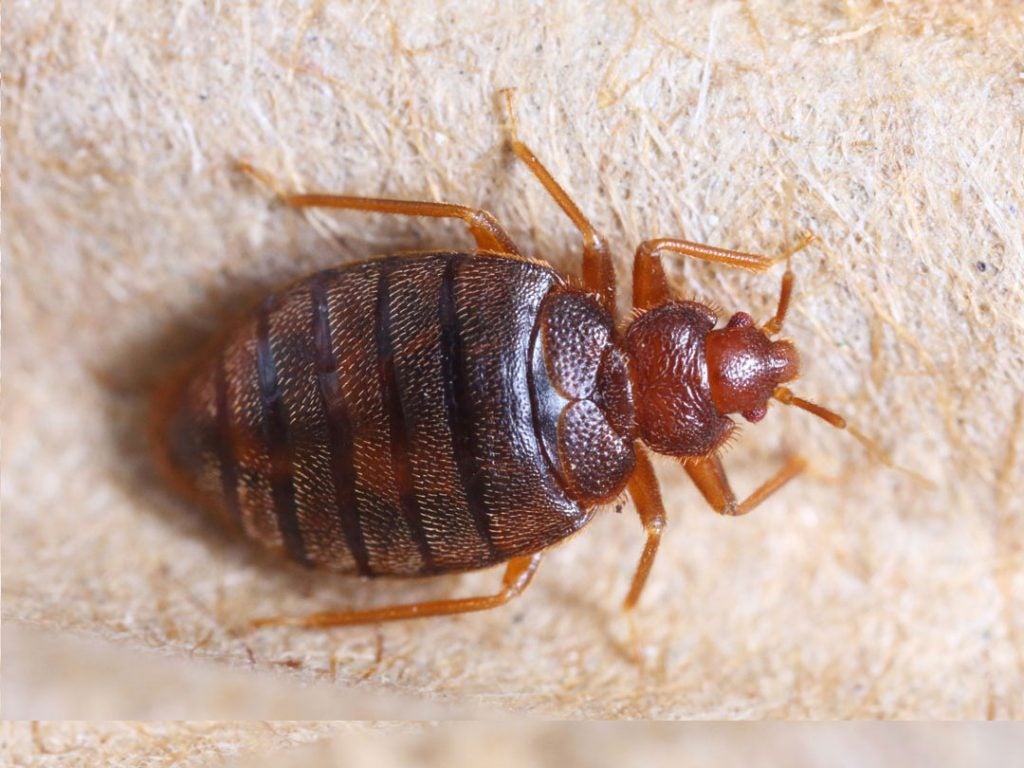
To better locate the bed bugs, you can use a flashlight to look for them in dark places. Bed bugs are usually brown or reddish-brown in color and about the size of an apple seed.

Step 2: Contain the Criminals

Your trusty vacuum cleaner can be a big help in bed bug prevention. Use it to vacuum up any bed bugs you find and their eggs. Pay special attention to the following areas:

  • Beds
  • Sofas and chairs
  • Carpets and rugs
  • Curtains and drapes
  • Between the cracks of floors and walls
  • Around baseboards
  • Anywhere else you see bed bugs

If you have a handheld vacuum, use it to get rid of bed bugs in hard-to-reach places. Just be sure to empty the vacuum bag immediately after each use to prevent the bed bugs from crawling back out.

Step 3: Launder All of Your Clothes

These include bed linens, curtains, blankets, clothing, and other items in which bed bugs could be hiding. Be sure to wash them in hot water and dry them at the hottest setting. If you can’t wash something, put it in the dryer on high heat for 30 minutes.

You can also put infested clothes in a plastic bag and stick them in the freezer for a few days. This will kill the bed bugs but won’t get rid of their eggs. Or you could put the bags in a closed car on a hot day that reaches 95 degrees Fahrenheit.

This procedure is a non-chemical heat treatment that can effectively kill bedbugs and their eggs. For more on DIY bed bug prevention, the EPA (Environmental Protection Agency) provides some great tips.

Step 4: Call Us!

Do-it-yourself methods can often control small infestations. But it’s best to bring in a professional if you’re struggling to get rid of bed bugs or have a large infestation.

Our Classic Pest Control Operators, Inc. experts are highly trained in termite and pest control. We will exterminate bed bugs quickly, safely, and effectively. If you’d like to know more about infestations and their effects, check out our article on the effect of a termite infestation on our health.

We’re proud to serve Paradise, TX, with bed bug removal and other pest control services.
Book your appointment today!

Recommended Posts

Top 8 Diseases Bed Bugs Bring to Your Home

Facebook Twitter Email Share Key Takeaways: Bed bugs are small, reddish-brown insects that feed on the blood of humans and animals while they sleep. Bedbug bites often cause itchy, red welts, but not everyone reacts to their bites in the same way. While bedbugs are a nuisance, they are not known to transmit diseases directly to humans. Scratching bed bug bites can lead to secondary skin infections, so resisting the urge to scratch is essential. Professional pest control services are the most effective way to eliminate a bedbug infestation. As a homeowner, you take pride in providing your family with a safe and healthy environment. However, some threats to your home go beyond the visible and mundane, and bedbugs are among them. While often associated with itchy bites and sleepless nights, bedbugs can also bring something more sinister into your home – diseases. In this article, we’ll delve into the top 8 diseases that bedbugs can bring into your living spaces. Understanding these risks is vital for safeguarding your family’s well-being and maintaining a pest-free home. The Hidden Health Threat Bedbugs are notorious for their ability to hide in cracks, crevices, and even furniture, making them challenging to detect and eliminate. However, their presence in your home poses more than just a mere inconvenience. These blood-feeding insects have been linked to the transmission of various diseases, making them a hidden health threat that every homeowner should take seriously. Chagas Disease Chagas disease, caused by the parasite Trypanosoma cruzi, is primarily transmitted through the bite of infected triatomine bugs. However, recent studies have suggested that bedbugs can also carry and transmit this potentially life-threatening disease. Chagas disease can lead to severe heart and digestive issues if left untreated, making it a significant concern. Hepatitis B While rare, there have been cases of bedbugs carrying the hepatitis B virus. Hepatitis B can lead to liver inflammation and long-term health problems. Although the chances of transmission through bedbugs are low, the potential risk underscores the importance of preventing and eliminating infestations. MRSA Methicillin-resistant Staphylococcus aureus (MRSA) is a bacterial infection that is resistant to many antibiotics. While MRSA is typically associated with healthcare settings, studies have found that bedbugs can carry this bacterium. Although bedbugs are not a primary source of MRSA transmission, their presence can complicate hygiene issues, potentially leading to infections. Zika Virus Zika virus, primarily transmitted through mosquito bites, has also been found in bedbugs. While the risk of Zika transmission through bedbugs is low, this finding highlights the need for comprehensive pest control to reduce the chances of exposure to this severe disease, especially in areas where Zika is prevalent. Lyme Disease Lyme disease is primarily associated with tick bites, but there have been reports of bedbugs carrying the bacteria responsible for this illness. While the risk of contracting Lyme disease from bed bugs is minimal, it serves as a reminder to take all possible precautions when dealing with these pests. If left untreated, Lyme disease can lead to various symptoms, including fever, fatigue, and joint pain. Bartonellosis Bartonellosis, caused by the bacteria Bartonella, can be transmitted by bedbugs. This disease can result in a variety of symptoms, including fever, fatigue, and swollen lymph nodes. While severe cases are rare, the potential for transmission highlights the importance of effective bed bug prevention and control. Tularemia Tularemia, or “rabbit fever,” is typically transmitted through ticks and other arthropods. However, bedbugs have also been found to carry the bacteria Francisella tularensis, which causes tularemia. Symptoms can range from mild to severe, including fever, skin ulcers, and swollen lymph nodes. Reducing the risk of tularemia involves preventing bed bug infestations and promptly addressing any signs of their presence. Rat-Bite Fever Rat-bite fever is typically linked to the bites of rodents, but bedbugs can also carry and transmit the bacteria responsible for this disease. Symptoms include fever, muscle pain, and joint pain. While rare, cases of rat-bite fever from bed bugs serve as a reminder that comprehensive pest control measures are crucial for minimizing health risks. Prevention and Protection Against Bed Bugs Vigilant Inspection Preventing bed bug infestations is the first line of defense against the diseases they may carry. Regularly inspect your home, especially areas where bed bugs commonly hide, such as mattresses, upholstered furniture, and cracks in walls. Early detection can help you address the problem before it escalates. Consistent Cleaning Maintaining a clean and clutter-free home is one way to reduce the risk of bedbug infestations. Regularly vacuum carpets and upholstery, wash bedding and curtains in hot water, and tidy your living spaces. Bed Bugs thrive in clutter, so eliminating their hiding spots is essential. Prompt Professional Intervention If you suspect a bedbug infestation or have concerns about diseases they may carry, don’t hesitate to seek professional pest control services. Pest control experts have the knowledge, experience, and tools to identify and eradicate bedbug infestations safely and thoroughly. They can conduct thorough inspections, implement effective treatments, and provide guidance on preventing future infestations. They can also provide guidance on preventive measures to keep bed bugs at bay. Protecting your home and health requires a proactive approach to bedbug control. Conclusion The presence of bedbugs in your home can pose not only physical discomfort but also potential health risks due to the diseases they may carry. Protecting your home and family from bedbugs and the diseases they may carry requires proactive measures and professional assistance. If you suspect a bedbug infestation or want to safeguard your home against these pests, contact Classic Pest Control Operators Inc. Our experienced team specializes in bedbug control and can provide you with a comprehensive solution. Don’t let bedbugs compromise your family’s health and safety.

The Importance of Regular Professional Pest Inspections

Facebook Twitter Email Share Key Takeaways Early Detection: Regular pest inspections catch infestations early, preventing costly damage. Health Protection: Pests can carry diseases; inspections ensure your family’s well-being. Property Value: Maintaining a pest-free home preserves its resale value. Custom Solutions: Pest inspections help tailor pest control strategies to your unique needs. Sustainability: Eco-friendly pest control methods can be integrated after inspections. Peace of Mind: Knowing your home is pest-free provides peace of mind. Prevention: Inspections identify vulnerabilities that can be addressed proactively. Compliance: Pest inspections may be required for certain real estate transactions. Professional Guidance: Experts can advise on long-term pest control measures. As a homeowner, there’s nothing more unsettling than the thought of uninvited guests taking over your residence. Pests, whether they are insects, rodents, or other unwelcome creatures, can quickly turn your haven into a nightmare. The telltale signs of their presence—scratching sounds in the walls, chewed-up wires, or insect sightings—can send shivers down your spine. It’s a scenario that no homeowner wants to face. Fortunately, there is a proactive solution that can help you avoid these unsettling situations and ensure your home remains a pest-free sanctuary: regular pest inspections. When you schedule regular pest inspections, you’re taking a proactive stance against potential infestations. Here’s why they should be a priority in your homeownership journey: Early Detection Saves Money and Stress When it comes to pest infestations, time is of the essence. Termites, for example, are notorious for silently devouring the wooden structures of your home. By the time you notice the signs—hollow-sounding wood, tiny discarded wings, or buckling floors—the damage may already be significant. Regular pest inspections allow experts to detect the earliest indicators of infestation, often before the problem becomes visible to homeowners. They have the training and tools to identify subtle signs, such as the presence of eggs, droppings, or tunnels, that might go unnoticed by the untrained eye. Protecting Your Family’s Health Pests can be carriers of various diseases, and their presence in your home can pose health risks to your family. For example: Rodents can transmit diseases like hantavirus through their urine, droppings, and saliva. Cockroaches are known allergens and can trigger asthma attacks, especially in children. Ticks and fleas are common household pests that can transmit Lyme disease and other pathogens. Bedbugs can cause itchy bites and allergic reactions. During a pest inspection, professionals look for signs of infestations and assess potential health hazards. They can identify areas where pests may be entering your home, like gaps in walls or faulty seals around doors and windows. Pest control experts can help create a safer living environment for you and your family by addressing these vulnerabilities. Safeguarding Your Property Value Your home is one of your most significant investments. It’s not only where you live but also a valuable asset. The presence of pests can significantly impact your property’s value. Pest-related damage often goes beyond what’s visible on the surface. Termites, for example, can weaken the structural integrity of your home, potentially leading to expensive repairs. These repairs can involve replacing damaged beams, walls, or flooring, which can be substantial financial burdens. By investing in regular pest inspections, you’re proactively safeguarding your property value. Tailored Pest Control Solutions One of the significant advantages of regular pest inspections is that they allow for customized pest control solutions. Every home is unique, and pest problems vary widely from property to property. During an inspection, pest control experts assess your home’s specific vulnerabilities, potential entry points, and the types of pests that may be attracted to your environment. This thorough evaluation enables them to tailor their pest control strategies to your property’s needs. Embracing Sustainability In recent years, there has been a growing emphasis on sustainable and environmentally friendly pest control methods. Homeowners are increasingly concerned about the impact of pest control treatments on the environment and their health. Professional pest control companies are well-versed in eco-friendly pest control practices. During regular inspections, they can identify pest issues and recommend sustainable solutions. For example, pest control experts may propose integrated pest management (IPM) strategies instead of relying solely on chemical treatments. IPM combines various methods, such as sealing entry points, reducing attractants, and using targeted treatments only when necessary. This approach minimizes the environmental impact of pest control while effectively managing pest populations. Meeting Legal and Lending Requirements In some regions and circumstances, regular pest inspections are not just a wise choice but a legal or lending requirement. Some states or lenders may mandate pest inspections when buying or selling a home, particularly for certain pests like termites. Meeting these requirements is essential for a smooth real estate transaction. If you’re selling your home, having a recent pest inspection report that shows your property is free of pests can be a significant selling point. On the flip side, if you’re buying a home, you’ll want the peace of mind that comes with knowing the property has been thoroughly inspected for pests before making one of your life’s most significant investments. The Classic Pest Control Operators, Inc. Advantage At Classic Pest Control Operators, Inc., we understand the critical role that regular pest inspections play in protecting your home, health, and investment. Our team of experienced pest control professionals is dedicated to helping homeowners maintain pest-free environments. When you choose Classic Pest Control Operators, Inc. for your pest inspection needs, you benefit from: Expertise: Our team comprises highly trained and certified pest control technicians with extensive knowledge of local pests and effective control methods. Customized Solutions: We don’t believe in one-size-fits-all approaches. We assess your property’s unique pest vulnerabilities and tailor our solutions accordingly. Eco-Friendly Practices: We prioritize sustainability and eco-friendly pest control methods, minimizing the use of chemicals and focusing on prevention. Compliance Assurance: If you’re selling or buying a home, we can help you meet legal and lending requirements by providing thorough pest inspection reports. Peace of Mind: With Classic Pest Control Operators, Inc. on your side, you can enjoy peace of mind knowing that your home is protected against pests and your investment is safeguarded. Don’t wait until pests become a problem. Contact us to set up an appointment, and let our experts ensure your home remains safe, healthy, and pest-free.

How Rodents Can Damage Your Property and Health

Facebook Twitter Email Share Key Takeaways: Rodents can inflict property damage by chewing through materials like wood, insulation, and wiring, compromising your home’s structural integrity. Their presence increases the risk of fire hazards due to exposed wiring while burrowing activities can lead to water infiltration and mold growth. Rodents act as carriers of diseases such as hantavirus, leptospirosis, and salmonellosis, posing direct and indirect health risks to humans. Enlisting professional pest control experts ensures tailored solutions that eradicate existing rodents and prevent future infestations. Early intervention is critical to minimizing property damage and health risks associated with rodent infestations. The comfort of home can be swiftly disrupted when rodents invade, leaving a trail of destruction that extends beyond mere annoyance. Rodents are not mere nuisances! These tiny intruders are capable of inflicting significant property damage and raising health concerns that demand immediate attention. It’s essential to understand the risks these furry pests pose and the steps you can take to safeguard your property and well-being. In this comprehensive exploration, we delve into the multifaceted impact of rodents, shedding light on their behaviors, potential risks, and actionable strategies for prevention. Concerned about rodent issues? Connect with Classic Pest Control Operators, Inc. experts for effective solutions. The Property Damage Caused by Rodents Rodents are notorious for their destructive tendencies. They gnaw on various materials, including wood, electrical wiring, insulation, and even plumbing. This constant chewing not only compromises the structural integrity of your property but also increases the risk of fire hazards due to exposed wiring. As rodents burrow into walls, attics, and crawl spaces, they create entry points for other pests and even allow water infiltration, leading to mold growth and deterioration. The financial burden of repairing this damage can be substantial, making rodent prevention a priority for every homeowner. Structural Compromises Rodents’ gnawing behavior extends to structural components like wood, insulation, and even support beams. Weakened structures compromise the stability of your property, potentially resulting in costly repairs and compromised safety. Electrical Hazards Exposed electrical wiring due to rodent gnawing increases the risk of short circuits, electrical fires, and power outages. These hazards pose a financial burden and a significant threat to the safety of your household. Water Damage and Mold Growth Rodents that burrow into walls and crawl spaces can create openings for water to seep in. Moisture infiltration paves the way for mold growth, leading to health risks and extensive repairs to eradicate mold and underlying moisture issues. Pest Infestation Chain Reaction Rodents inadvertently open doors for other pests to invade your property. Entry points created by rodents can become pathways for insects like cockroaches, ants, and termites. Addressing rodent infestations promptly prevents a cascade of subsequent pest issues. Understanding the scope of property damage caused by rodents underscores the importance of vigilance and preventive measures. And by taking action to secure your property against rodent intrusions, you safeguard your investment and ensure a safe and comfortable living environment. The Health Risks Posed by Rodents Beyond property damage, rodents also pose significant health risks. They are carriers of various diseases, some of which can be transmitted to humans directly or indirectly through their droppings, urine, and saliva. Here’s a closer look at the health risks associated with rodents: Disease Transmission Rodents can spread diseases through direct contact, bites, and by contaminating surfaces and food. Hantavirus, transmitted through exposure to rodent droppings, can lead to severe respiratory illnesses. Leptospirosis, contracted from contact with water or soil contaminated by rodent urine, can cause fever, jaundice, and organ damage. Salmonellosis, linked to the consumption of food tainted by rodent feces, results in symptoms like vomiting and diarrhea. Allergies and Asthma Aggravation Rodents shed dander, urine, and saliva, triggering allergies and worsening asthma symptoms, particularly in sensitive individuals. The presence of rodents indoors raises airborne allergen levels, contributing to respiratory distress. Airborne Particles and Indoor Air Quality Airborne particles from rodent nests can compromise indoor air quality. Inhaling these particles can lead to respiratory issues, especially in those with pre-existing conditions. Poor indoor air quality can trigger or exacerbate allergies and respiratory ailments. Recognizing these health risks underscores the urgency of effective rodent prevention strategies. You can protect your household’s health and well-being by addressing potential infestations promptly and implementing preventive measures. Prevention Strategies to Safeguard Your Property and Health Preventing rodent infestations requires a multifaceted approach: Sanitation: Proper sanitation is crucial, as rodents are attracted to food sources. Store food in airtight containers, clean up crumbs promptly, and ensure trash is secured in sealed bins. Sealing Entry Points: Rodents can squeeze through tiny openings. Seal cracks, gaps, and holes in your property’s exterior to prevent easy access. Landscaping: Trim trees and shrubs away from your home, reducing potential rodent pathways. Regular Inspection: Conduct routine checks for signs of rodent activity, such as droppings, gnaw marks, and nests. Professional Pest Control: Seek assistance from pest control experts who can implement tailored solutions to eradicate and prevent rodent infestations. The Importance of Early Intervention Recognizing the signs of a rodent infestation and taking prompt action is essential. Ignoring the problem can lead to exponential damage to your property and heighten health risks. An unchecked rodent population can multiply rapidly, exacerbating the situation. Their reproductive rates are high, and they adapt quickly to their environment. By addressing the issue early on, you can limit the extent of property damage, prevent the spread of diseases, and safeguard the well-being of your household. Stay Clear of Rodents! The potential havoc that rodents can wreak on both your property and your health is a clear reminder of the importance of proactive prevention. The risks they pose, from property damage to disease transmission, underscore the urgency of implementing effective preventive measures. As you strive to create a safe and comfortable living environment, remember that the expertise of our professionals at Classic Pest Control Operators, Inc. will provide you with tailored solutions to eliminate and prevent rodent infestations. Don’t wait until the situation escalates – take action now to secure your property and the health of your loved ones!